


Exploring the cultural significance of casinos in contemporary society
The Evolution of Casinos in Society
Casinos have transformed significantly from their origins in the small gambling halls of Europe to the sprawling entertainment complexes found around the world today. This evolution reflects broader cultural and economic trends, such as urbanization and globalization. In contemporary society, casinos are not merely places for gambling; they have become multifaceted entertainment hubs that include restaurants, hotels, and live performances, attracting millions of visitors each year. If you’re interested in maximizing your experience, you might want to check out online betting sites uk for the latest options.

The integration of casinos into the urban landscape has altered public perceptions of gambling. What was once a taboo subject has increasingly been accepted as a form of mainstream entertainment. The cultural significance of casinos lies in their ability to offer a space for social interaction and leisure, illustrating how society’s attitudes toward gambling have evolved over time.
The Psychological Appeal of Gambling
The psychology of gambling plays a crucial role in the cultural significance of casinos. Many individuals are drawn to the thrill and excitement that gambling offers, engaging their emotions and senses. The anticipation of winning can lead to a rush of adrenaline, creating a psychological pull that is difficult to resist. This dynamic not only drives individuals to casinos but also fosters a sense of community among gamblers who share similar experiences.
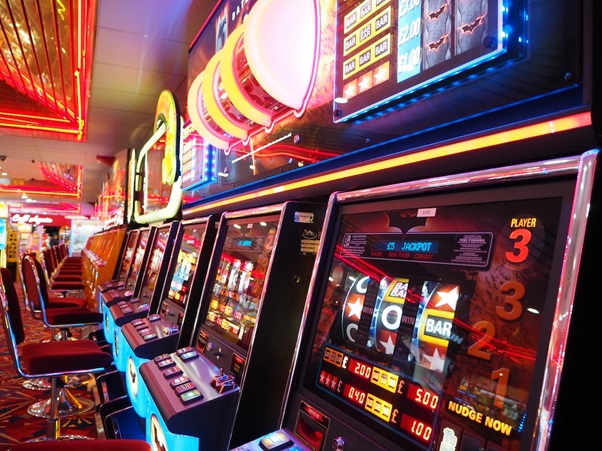
Moreover, casinos often employ various psychological strategies to enhance the gambling experience. From the design of the gaming floor to the sounds and lights, every element is meticulously crafted to keep players engaged. This manipulation of the environment speaks to deeper human desires for risk, reward, and social validation, further embedding casinos into the cultural fabric of society.
The Role of Casinos in Economic Development
Casinos have emerged as significant drivers of economic growth in many regions, contributing to job creation and increased tourism. By attracting visitors, they generate revenue not only for themselves but also for surrounding businesses. The local economy often benefits from the influx of tourists, who spend money on accommodations, dining, and entertainment, thereby enhancing the overall economic landscape.
However, the economic impact of casinos is a double-edged sword. While they can stimulate growth, there are concerns about the social costs associated with gambling addiction and its effects on families and communities. Balancing these economic benefits with the need for responsible gambling practices remains a challenge for policymakers and stakeholders in the industry.
Casinos and Cultural Identity
Casinos often reflect and influence cultural identity in various ways. In many societies, they serve as a symbol of luxury and the pursuit of the American Dream, epitomizing the possibility of striking it rich. The presence of casinos can foster a unique cultural atmosphere that combines elements of chance, entertainment, and social gathering, creating a distinct identity for the regions they inhabit.
Furthermore, the representation of casinos in media—be it movies, television shows, or literature—has solidified their status as cultural icons. These portrayals contribute to the narrative surrounding gambling and its place in society, shaping public perception and influencing the way casinos are viewed within different cultural contexts.
Conclusion: The Future of Casinos in Society
The future of casinos in contemporary society remains an intriguing subject of exploration. As technology advances and societal attitudes toward gambling continue to shift, casinos are likely to adapt to meet the changing needs of their patrons. Online gambling platforms and virtual reality experiences are already reshaping the traditional casino experience, suggesting a potential shift in how people engage with gambling.
Ultimately, casinos will continue to hold cultural significance as they evolve alongside society. As centers of entertainment, economic activity, and social interaction, they will likely remain an integral part of the cultural landscape for years to come, reflecting the complexities of human behavior and societal values.